

 Facebook
 X
X
 Pinterest
 Copy Link
Custom-Built Ranch Home in Wildflower Commons | Columbus, Indiana
Custom-Built Ranch Home in Wildflower Commons | Columbus, Indiana
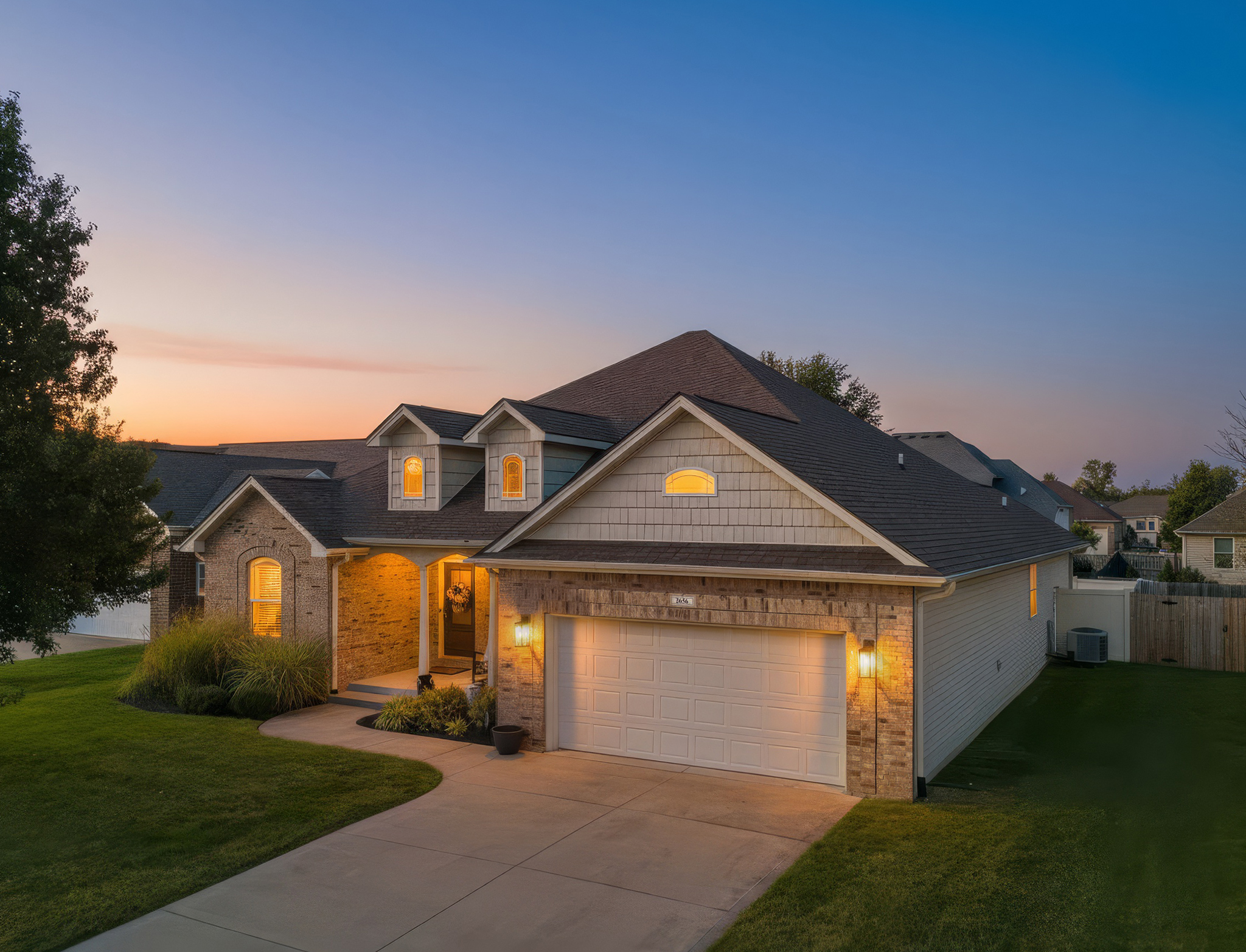
If you are looking for a custom-built ranch with quality finishes, a well-designed floor plan and a full basement, 2656 Daffodil Court W in Wildflower Commons is worth a closer look.
Built by Phillips Construction, this home features 1,902 square feet on the main level, plus a full basement, four bedrooms and three full bathrooms. The ranch layout offers the convenience of main-level living, with additional space downstairs for recreation, hobbies, entertaining or storage.
A Well-Designed Main Level
The main level features 10-foot ceilings in the entry and great room, along with crown molding that adds a finished touch. The split-bedroom floor plan includes three bedrooms on the main level, including the primary suite.
The great room provides a central gathering space, while the separate dining room and breakfast area offer options for everyday meals and entertaining.
Kitchen Details Worth Noting
The kitchen features custom cabinetry, granite countertops, stainless steel appliances and an island with additional workspace. The adjoining breakfast area makes the layout practical for everyday use, while the separate dining room provides a dedicated space for hosting dinners and special occasions.
Primary Suite and Full Basement
The primary suite includes a tray ceiling, walk-in closet and private bathroom with double sinks, a soaking tub and a separate shower.
The full basement adds considerable flexibility to the home. It includes a fourth bedroom and a full bathroom, along with additional space that can be used for recreation, a home office, hobbies or storage.
With 1,902 square feet on the main level and a full basement, the home offers both the convenience of a ranch floor plan and additional space to accommodate a variety of needs.
Outdoor Living in Wildflower Commons
The outdoor space includes a covered deck and paver patio, giving you two distinct areas to enjoy the backyard. Whether you prefer dining outside, relaxing under the covered deck or gathering with friends, the outdoor spaces offer added versatility. The fenced backyard completes the setting.
Wildflower Commons is located in Columbus, Indiana, with shopping, dining, parks and other local amenities throughout the area.
Take a Closer Look
Priced at $475,500, 2656 Daffodil Court W offers custom construction, 1,902 square feet on the main level, a full basement, four bedrooms and three full bathrooms.
The combination of main-level living, custom kitchen features, a full basement and inviting outdoor spaces makes this home worth exploring if you are considering a move in Columbus.
For more information or to schedule a showing, contact me. I would be happy to walk you through the details and answer your questions.
Stacy DeVreese | Century 21 Scheetz
Columbus, Indiana | Stacy DeVreese Homes | 317.457.8652
default
The Cost of a Home Goes Beyond the Purchase Price
 The Cost of a Home Goes Beyond the Purchase Price
 The Cost of a Home Goes Beyond the Purchase Price
When comparing a new home with an existing home, it is easy to focus on the purchase price.
But the purchase price is only one part of the cost of owning a home.
A recent Realtor.com Economic Research study looked at the total cost of ownership for new construction compared with a 20-year-old home. The research considered energy costs along with the future replacement and maintenance of major systems such as HVAC, roofing and water heaters.
According to the study, the average new-construction home could save approximately $25,335 over the first 10 years of ownership compared with a 20-year-old home, based on those factors.
That doesn’t mean new construction is automatically the better choice for every buyer.
It does mean that the initial purchase price doesn’t tell the whole story.
Look at the complete picture
When evaluating a home, I think it is important to consider more than what you will pay at closing.
For an existing home, that may include the age and condition of the roof, HVAC system, water heater, windows and other major components. With new construction, those systems are new, current building standards apply, and the home may also include builder warranties.
There are other considerations, too: the location, lot, floor plan, construction quality, finishes, builder reputation and how the home fits your plans for the years ahead.
The right choice isn’t necessarily the newest home or the least expensive home. It is the home that makes the most sense when you look at the entire picture.
What about Indiana?
The Realtor.com research found that Bloomington, Indiana was one of 16 metropolitan areas where the estimated 10-year operating savings of new construction exceeded the difference between the median new-construction and existing-home listing prices.
That is an interesting data point for buyers in South Central Indiana, but it should not be interpreted as a Columbus-specific calculation. Local home prices, construction costs, energy use, builder incentives and individual property characteristics can all change the equation.
That is where having someone who understands both the resale and new-construction markets can be valuable.
New construction deserves a closer look
For buyers considering a new home, I can help you look beyond the floor plan and finishes and evaluate the larger real estate decision: the builder, community, lot, proposed home, costs and long-term considerations.
If you’re considering new construction in South Central Indiana, give me a call. I’d be happy to talk through what you’re considering and help you determine whether it makes sense for you.
Source: Realtor.com Economic Research, “Total Cost of Ownership: Where Lower Operating Costs Offset the New-Construction Price Premium,” May 14, 2026.
5 Habits I Haven’t Skipped With My Listings
Selling a home is more than putting a sign in the yard and waiting for an offer.
A successful listing requires preparation, thoughtful positioning, consistent marketing, communication and attention to what is happening in the market. These are the habits I bring to my listings because the details matter when you are making a significant real estate decision.
Here are five habits I haven’t skipped with my listings.
1. I Prepare Before I Promote
Before a property goes on the market, I take time to look at the complete picture.
That includes evaluating the property’s condition and presentation, reviewing comparable properties, considering current competition and developing a pricing and marketing strategy.
The goal is to have a plan before the listing launches rather than simply putting a property on the MLS and hoping it gets noticed.
Good preparation creates a stronger foundation for the marketing that follows.
2. I Pay Attention to the Details
Small details can make a difference in how a property is presented to the market.
Photography, property information, the listing description, online presentation and marketing materials all contribute to how a home is introduced to potential buyers.
I review those details carefully because the listing needs to accurately communicate the property’s features and present them clearly.
The goal isn’t to overstate a property. It’s to make sure the marketing reflects what the home actually offers.
3. I Keep the Marketing Moving
A listing doesn’t get one social media post and then disappear.
I believe marketing should be an ongoing process throughout the listing period. That can include digital marketing, social media, property-specific marketing, networking and continued exposure through the MLS and other appropriate channels.
The strategy may also evolve based on market activity and the response a property receives.
Consistent visibility matters, particularly when buyers have many properties to consider.
4. I Communicate
Selling a home can involve a lot of moving parts.
I believe sellers should understand what is happening with their listing, including showing activity, feedback when available, market conditions and any issues that may require attention.
Communication isn’t just about reporting activity. It’s also about having conversations when the market gives us information that could affect our strategy.
My job is to provide the information and professional guidance needed to help my sellers make informed decisions.
5. I Watch the Market, Not Just the Listing
Once a property is listed, the work doesn’t stop.
I continue watching comparable properties, new competition, pricing changes, buyer activity and other market indicators that may affect the property’s position.
Pricing is not something that should be approached in isolation. Market conditions can change, and the strategy may need to change with them.
The objective is to use current information to help determine whether the listing is positioned appropriately.
The Work Behind the Listing Matters
A home sale is a significant financial transaction, and the work involved goes well beyond the MLS entry.
Preparation.
Positioning.
Visibility.
Communication.
Attention to detail.
Those are the habits I bring to my listings.
My role is to provide a thoughtful, full-service approach from preparation through closing, with a focus on protecting the seller’s real estate equity through disciplined timing, visibility and pricing.
If you’re considering selling, I’d be happy to talk through your property, current market conditions and what a thoughtful listing strategy could look like.
Stacy DeVreese
Century 21 Scheetz
317-457-8652
Why Should You Have a Realtor When Building a New Construction Home?
Why Should You Have a Realtor When Building a New Construction Home?
Building a new home is an exciting opportunity. You have the ability to choose the location, floor plan, finishes, and features that work for your needs and budget.
But there is an important decision to make before you choose a builder: Who is representing your interests throughout the process?
Many buyers assume that because they are purchasing directly from a builder, they do not need a real estate agent. In reality, having your own Realtor can provide valuable guidance before construction begins and throughout the purchase process.
Here are five important ways a Realtor can help when you are building a new construction home.
1. Finding the Right Land or Building Lot
The first step in building a home isn’t always choosing a builder. It may be finding the right piece of land.
A Realtor can help you identify lots or land that fit your budget, location preferences, and plans for the home. Just because a property appears to be a good building site doesn’t mean it will work for the home you have in mind.
There are many factors to consider when evaluating land for new construction, including:
- Zoning and land-use requirements
- Lot size and configuration
- Utility availability and location
- Access to the property
- Site considerations that could affect construction
- Whether the lot can accommodate the home you want to build
Your Realtor can help you investigate these considerations and coordinate the purchase of the land once you determine it meets your requirements.
2. Understanding the Local Area and Future Development
Buying a new construction home is about more than the house itself. The property and its surrounding area are also important considerations.
An experienced local Realtor can provide information about the surrounding market, existing neighborhoods, planned communities, and potential future development.
Before purchasing a lot, you may want to understand what is planned around the property and whether future changes could affect the site.
For example, are there planned roads, developments, drainage improvements, or other infrastructure changes that could affect the property?
A Realtor can help you identify questions to investigate and direct you to the appropriate sources for additional information before you make a purchase decision.
3. Understanding Builder Reputation and Construction Quality
Choosing a builder is one of the biggest decisions you will make when building a home.
Different builders have different approaches to construction, communication, customization, timelines, and customer service. A Realtor who works regularly with new construction may have knowledge of builders in the area and their track records.
That perspective can help you compare your options and ask better questions.
Your Realtor can help you research and evaluate factors such as:
- Builder experience
- Construction practices
- Reputation in the local market
- Customer experiences
- Quality of construction
- Communication throughout the building process
The goal isn’t simply to find a builder who can build the home. It is to find a builder whose experience, construction process, and services align with your project and expectations.
4. Making Smart Decisions About Customization and Upgrades
One of the biggest advantages of new construction is the ability to personalize your home.
But customization can also make it very easy to spend more than you originally planned.
When you are presented with a long list of options and upgrades, it can be difficult to determine which improvements are most important to you and which may have limited long-term value.
A Realtor can provide an additional perspective when you are evaluating upgrades.
Where should you prioritize your budget?
Which features may contribute to the home’s future marketability?
Which upgrades are primarily personal preferences?
While every buyer’s priorities are different, considering both your current needs and the home’s potential future marketability can be an important part of the decision-making process.
5. Understanding Builder Contracts and Negotiating on Your Behalf
Builder contracts can be different from the standard purchase agreements buyers may encounter when purchasing an existing home.
There may be provisions addressing construction timelines, selections, allowances, upgrades, change orders, deposits, financing, inspections, closing, and other aspects of the transaction.
Having your own Realtor gives you someone who can help you understand the real estate transaction and identify questions you should discuss with the builder and other professionals involved.
A Realtor can also advocate for you during negotiations.
Depending on the builder and the circumstances, negotiations may involve things such as purchase price, upgrades, closing-cost assistance, incentives, or other terms.
The important distinction is that the builder’s representative represents the builder. Your Realtor represents you.
You Don’t Have to Navigate the Building Process Alone
Building a home involves many decisions, and the process starts well before you choose a builder or finalize a floor plan.
The right real estate professional can help you evaluate land, understand the local market, research builders, consider upgrades, and navigate the purchase agreement.
Most importantly, your Realtor can provide an independent perspective throughout the process.
If you are considering building a new construction home in Columbus, Indiana or South Central Indiana, I can help you start with the right questions before you choose your lot or builder.
My approach is to help buyers think through the entire process, from identifying the right property to evaluating building options and ultimately purchasing the finished home.
Thinking about building a new home instead of purchasing an existing home? Let’s talk about your plans before you choose a builder.
Stacy DeVreese
Century 21 Scheetz
317-457-8652
www.StacyDeVreese.com
The Case for Lock-and-Leave Living in Tipton Lakes
If you’ve spent any time weighing home options in Columbus, you may have come across the term lock-and-leave lifestyle. It’s not about a specific type of buyer — it’s about a specific way a home behaves when you’re not using it. And it’s worth understanding, because a home like 1141 Pintail Court, tucked in the sought-after Pintail enclave of Tipton Lakes, is built around exactly that idea.
What “Lock-and-Leave” Actually Means
A lock-and-leave home is one you can walk away from — for a weekend, a season, or an extended trip — without a mental checklist trailing behind you. It’s less about the size of the home and more about how much of your time and attention it demands when you’re not there. A smaller, single-level footprint goes a long way here: less square footage to close up before you leave, and less to check on when you get back.
Where that shows up in the day-to-day: at 1141 Pintail Court, lawn care is covered, so one of the more time-consuming parts of homeownership is off your plate.
Inside the Home
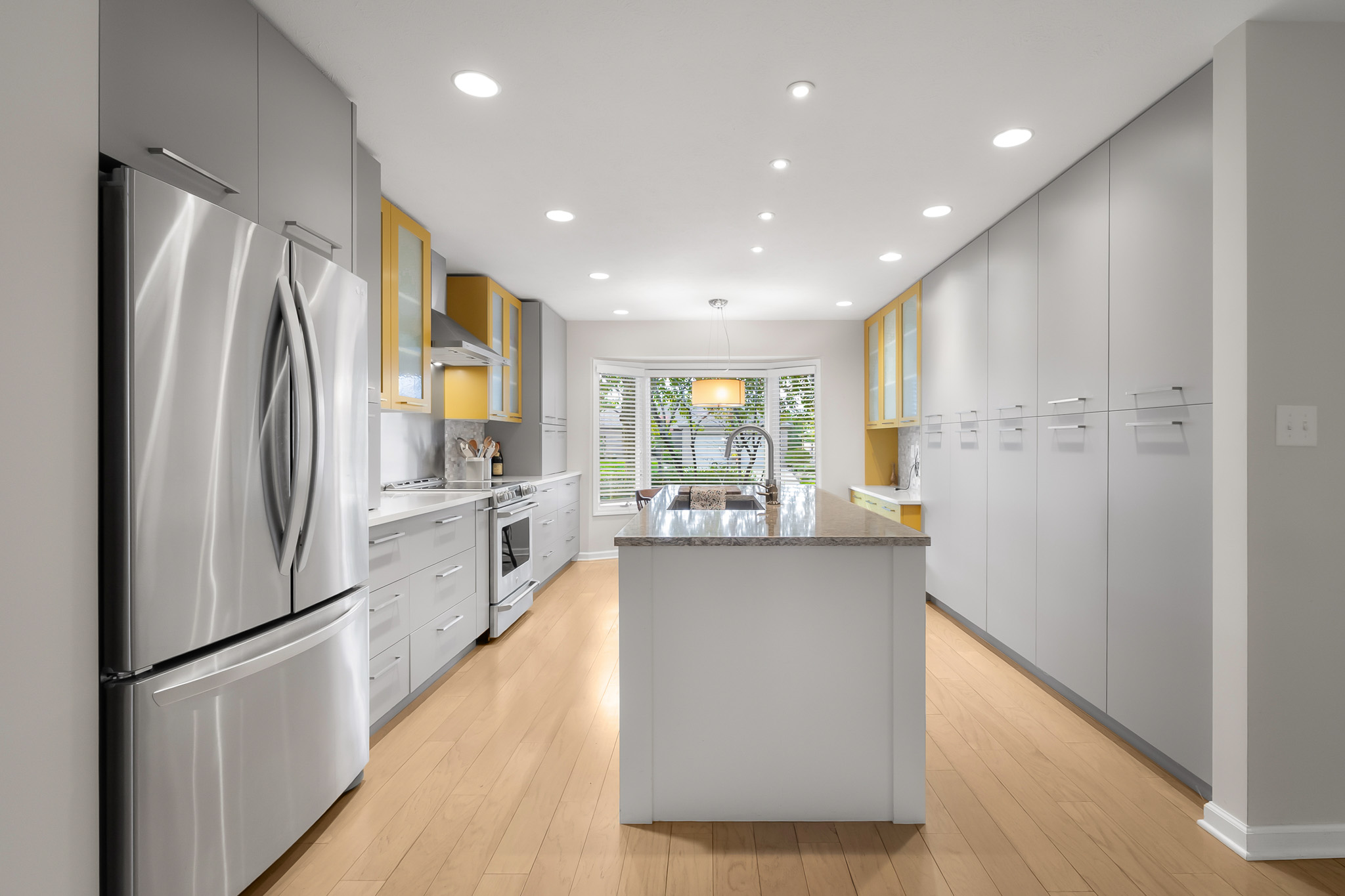
The renovation here goes well beyond a fresh coat of paint. A skylight over the entry and engineered hardwood running through the main living spaces set an elevated tone the moment you walk in, and the great room’s custom built-in bookshelves were crafted by the same cabinetmaker behind the kitchen — a small detail that ties the whole home together. That kitchen is a genuine centerpiece: quartz counters, custom cabinetry, and a generous island built for both everyday cooking and entertaining. New window shades throughout add a layer of polish while giving you control over light and privacy.
The primary suite is its own retreat, with a zero-entry curbless shower and a spacious closet, while a second bedroom and a flexible bonus room give you room for guests or a home office without adding square footage you don’t need. Glass doors off the main living space open onto a covered patio and professionally landscaped grounds — a quiet, finished outdoor setting rather than a blank yard waiting for work.
Why a Smaller, Single-Level Layout Matters
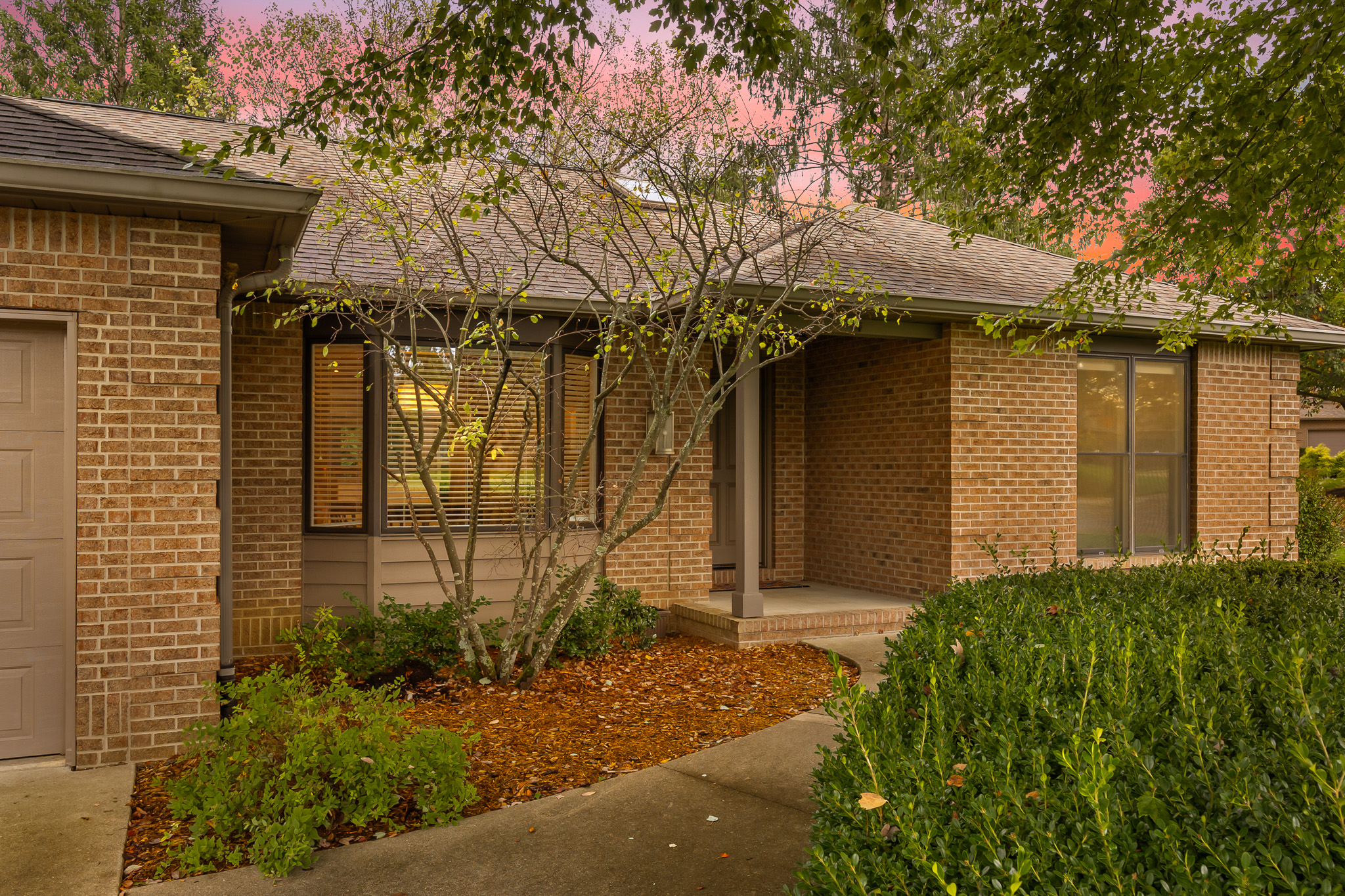
A single-level layout removes stairs from the equation entirely, and a smaller, open floor plan means less space to furnish, clean, and keep up with — without feeling like a compromise. At 1141 Pintail Court, that shows up in a fully renovated brick ranch with a primary suite featuring a curbless walk-in shower, and a flex space that adapts easily to guests, hobbies, or a home office.
Why This Works Well as a Second Home
If you’re weighing a second home in Columbus, the biggest hidden cost usually isn’t the mortgage — it’s the upkeep you’re paying for from a distance. With lawn care provided, you’re not calling around to line up service before a trip, and you’re not coming back to overgrown grass after being away for a stretch. You’ll still want to keep an eye on the flower beds and the home itself, but the routine work is handled.
Add in a covered patio and professionally landscaped outdoor space, and you get a home that feels finished the moment you walk in — not a project waiting for your next visit.
Why Tipton Lakes Matters
Location does a lot of the lifestyle work here. Tipton Lakes is one of Columbus’s most established communities, and it’s known for being genuinely close-knit — the community association hosts regular neighborhood gatherings like ice cream socials and an annual triathlon that give neighbors real reasons to know each other, not just wave from the driveway. Add in walking paths, water features, and a marina, and you get a community with a real sense of place.
From Pintail, you’re minutes from downtown Columbus, a short drive to Harrison Lake Country Club, and within easy reach of I-65 for effortless travel to Indianapolis or Louisville.
The Bottom Line
Lock-and-leave living isn’t about wanting less — it’s about wanting your home to ask less of you day-to-day. Whether you’re looking for a simpler layout, a low-maintenance second home base, or drawn to the close-knit feel of Tipton Lakes, 1141 Pintail Court was renovated with exactly that kind of living in mind.
Interested in seeing it in person? Reach out anytime — call or text 317-457-8652.
Building a Custom Home in Indiana: What to Know Before You Start
Building a custom home is exciting, but it is also one of the biggest real estate decisions many people will make. Unlike purchasing an existing home, building requires dozens of decisions before you ever walk through your front door.
The floor plan. The homesite. The builder. The finishes. The timeline. The budget.
A successful custom build is not just about finding a piece of land and choosing a home design. It is about understanding how all of those pieces work together before commitments are made.
That is where having the right guidance matters.
The First Step Is Not Picking a Floor Plan
Many people start the process by looking at house plans or visiting model homes. Those are important steps, but the first question should be:
Where do you want to build, and what does that land allow you to create?
Not every homesite is the same. Factors such as utilities, soil conditions, restrictions, setbacks, drainage, and zoning can all impact what can be built and what the final investment looks like.
A beautiful home plan may not be the right fit for every lot.
Understanding the land before moving forward can help prevent expensive surprises later.
Choosing the Right Builder
The builder you choose will have a tremendous impact on your experience.
A custom build requires communication, organization, and attention to detail. The lowest initial price is not always the best indicator of the overall value you will receive.
Questions worth asking include:
- How does the builder communicate throughout the process?
- What is included in the base price?
- How are change orders handled?
- What is the expected timeline?
- How are selections and upgrades managed?
- What happens when unexpected challenges arise?
Every builder has a different process, and finding the right fit is an important part of the decision.
Understanding the Financial Side of Building
One of the biggest misconceptions about building a custom home is that the home price is simply the cost of construction.
There are many additional factors to consider:
- Land acquisition
- Site preparation
- Utility connections
- Permits and fees
- Design changes
- Selections and upgrades
- Landscaping and exterior improvements
Having a realistic understanding of the full project helps create better decisions from the beginning.
A Realtor’s Role in a Custom Build
Many people assume a real estate agent is only needed when buying or selling an existing home. A knowledgeable new construction agent can provide value long before construction begins.
My role is to help clients evaluate the entire picture:
- Finding available land or buildable homesites
- Connecting buyers with reputable builders
- Helping compare options
- Understanding contracts and timelines
- Asking questions that may otherwise be overlooked
- Helping protect the long-term value of the investment
A custom home is not just about what gets built. It is about making informed decisions throughout the process.
Building a Home Is a Process, Not Just a Purchase
The most successful builds happen when decisions are made carefully and intentionally.
A home should reflect how you want to live, but it should also be approached as a significant real estate investment. The choices made during the building process can influence the home’s future marketability and value.
Whether you are considering a homesite, exploring builder options, or simply trying to understand if building is the right path, having someone who understands both real estate and the construction process can make the journey much smoother.
If you are considering building a custom home in South Central Indiana, I would be happy to help you understand the process, evaluate your options, and connect the pieces needed to move forward with confidence.
Before selecting a homesite or signing a builder agreement, let’s talk through your goals, your options, and the decisions that can impact your investment. Whether you are just beginning to explore the idea of building or you are ready to take the next step, I can help you navigate the process from land selection to completed home.
1141 Pintail Ct | Columbus, IN
Single-Level Design & Low-Maintenance Living: Welcome to 1141 Pintail Ct in Tipton Lakes
 Single-Level Design & Low-Maintenance Living: Welcome to 1141 Pintail Ct in Tipton Lakes
Positioned in the sought-after Pintail enclave of Tipton Lakes, 1141 Pintail Ct in Columbus, IN offers a fully renovated, move-in ready brick ranch with single-level design and access to community amenities.
With lawn care included through the HOA, this property provides low-maintenance living in an established neighborhood setting.
High-End Craftsmanship & Open Layout
From the moment you enter, the home’s design emphasizes natural light and quality architectural details. A bright entry with a skylight welcomes you into a continuous main floor plan.
Property Highlights:
-
Custom Woodwork & Storage: The great room features new custom built-in bookshelves, thoughtfully crafted by the same local custom cabinet maker featured in the kitchen for a cohesive design throughout.
-
Engineered Hardwood Flooring: Rich hardwood flooring extends seamlessly across the primary living spaces.
-
Designer Kitchen: Equipped with quartz surfaces, custom cabinetry, a central island, and abundant storage.
-
Light & Privacy Control: New custom window shades throughout most of the home offer instant privacy and light control.
Layout & Accessibility Features
Spanning 2,080 square feet on a single level, the layout includes:
-
Primary Suite: Features a spacious closet and an ensuite bath with a zero-entry curbless shower.
-
Bedrooms & Flex Space: Includes a second bedroom, a full second bath, and a versatile flex space suitable for a home office, den, or hobby space.
-
Outdoor Space: Glass doors extend the living area to a covered rear patio set against professionally landscaped surroundings.
Tipton Lakes Community Features
Living in Tipton Lakes provides access to established community amenities and natural surroundings:
-
Trails & Lakes: Scenic walking paths, expansive water features, and neighborhood trail networks wind throughout the community.
-
Parks & Recreation: Access to public parks within the association, including Harrison Ridge Park (featuring tennis courts, basketball courts, and playground equipment) and Oakbrook Park.
-
Marina & Water Access: The Tipton Lakes Marina offers access for fishing, pontoon rentals, kayak/paddleboard rentals, and boat permits for residents.
-
Proximity to Golf: Located just a 3-minute drive from Harrison Lake Country Club.
Location & Access
-
Downtown Columbus: Minutes away from local dining, cultural attractions, and commercial centers.
-
Commuting: Quick proximity to I-65 offers straightforward travel north to Indianapolis or south to Louisville.
Property Quick Specs
-
Address: 1141 Pintail Ct, Columbus, IN 47201
-
Layout: 2 Bedrooms + Flex Space | 2 Full Baths | 2,080 Sq. Ft.
-
Exterior: All-Brick Ranch | Attached 2-Car Garage | Covered Patio
-
HOA Coverage: Lawn care and common area maintenance included


